
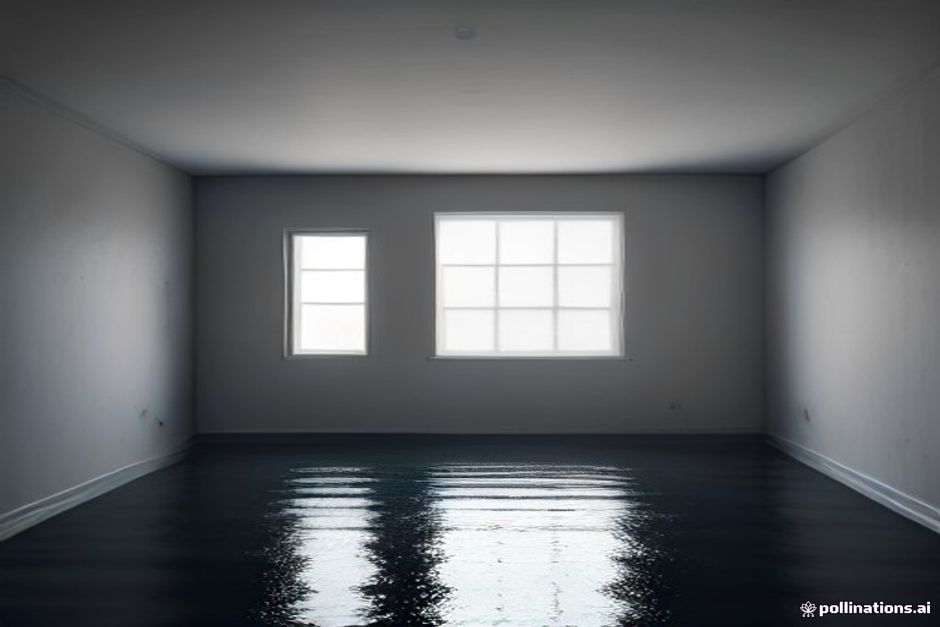
Is Water Hiding Behind Your Walls? 5 Signs Chandler Homeowners Miss
Spot hidden water damage behind your walls in Chandler before it spreads. Learn the 5 warning signs, when to DIY, and when to call a pro.
Quick answer
Hidden water damage behind walls shows through musty odors, bubbling paint, warped baseboards, unexplained moisture readings, and visible discoloration. In Chandler, monsoon season and aging copper supply lines accelerate these problems. Key indicators include humidity spikes above 60%, soft drywall spots, and peeling wallpaper. Address signs within 24-48 hours to prevent mold colonization.
Key takeaways
- Mold begins colonizing damp drywall within 24-48 hours of moisture exposure
- Chandler homes built before 1995 often have copper pipes prone to pinhole leaks
- A moisture meter reading above 17% in drywall indicates active water intrusion
- Hidden water damage repairs average $2,800-$7,500 when caught early versus $15,000+ when mold spreads
- Musty odors that appear after monsoon storms often signal water inside wall cavities
- Thermal imaging cameras detect temperature differentials as small as 0.1°F behind walls
- Arizona's dry climate can mask moisture problems because surface evaporation happens quickly
Last August, a homeowner in Sun Groves noticed a faint musty smell near her laundry room. Three weeks later, contractors pulled out 47 square feet of mold-infested drywall from behind her washing machine alcove.
Chandler homes face a particular challenge: our 115°F summers cause pipe joints to expand and contract, while monsoon storms dump 2-3 inches of rain in hours. Homes built during the 1970s and 1980s building boom often have galvanized or early copper plumbing that develops pinhole leaks after 25-30 years.
Hidden water damage behind walls is more common in Chandler than most homeowners realize. The Insurance Information Institute reports that water damage claims average $12,514 nationally, but in Arizona's extreme climate cycles, structural damage can escalate faster because moisture trapped inside wall cavities creates ideal conditions for mold growth.
Catching these warning signs early can mean the difference between a $600 repair and a $15,000 remediation project. Left unaddressed for 72 hours or more, water-soaked drywall becomes a breeding ground for Stachybotrys and Aspergillus mold species.
This guide walks through the five most reliable warning signs that water is hiding behind your walls, what you can check yourself, and the point where DIY inspection stops being practical. By the end, you'll know exactly what to look for and when the situation calls for professional moisture detection equipment.
The 5 Warning Signs That Water Is Hiding Behind Your Walls
Each of these signs points to moisture that has already penetrated your drywall or plaster. Some you can investigate yourself with basic tools. Others require specialized equipment to confirm. The key is recognizing the pattern before structural damage compounds.
Sign 1: A Persistent Musty or Earthy Smell You Cannot Trace
That damp, earthy odor is not your imagination. Mold and mildew produce microbial volatile organic compounds (MVOCs) as they digest organic material in wet drywall paper and wood studs. The smell often intensifies after your air conditioning cycles off or during monsoon humidity spikes above 50%. In Chandler homes with forced-air HVAC, the odor may seem to come from vents because the air handler pulls contaminated air from wall cavities. Walk slowly along interior walls with your nose about six inches from the surface. Mark any spots where the smell concentrates. If you notice the odor is stronger near bathrooms, the laundry room, or beneath windows, those areas should be your first inspection targets. The smell alone does not confirm mold, but it confirms moisture. A hygrometer reading above 60% relative humidity in a specific room strengthens the case.
- MVOCs become detectable when mold colonies reach approximately 1 square foot
- The smell is often strongest in mornings before HVAC circulation disperses it
- Chandler's low outdoor humidity makes indoor musty odors more noticeable by contrast
- Air purifiers with activated carbon may mask the smell without addressing the source
Sign 2: Paint Bubbling, Peeling, or Flaking in Localized Spots
Paint does not bubble randomly. When moisture migrates through drywall from behind, it breaks the bond between the paint film and the surface. You will see bubbles, blisters, or sections where paint lifts away in sheets. This happens because latex and acrylic paints are vapor-permeable to some degree, but sustained moisture overwhelms their ability to breathe. In Chandler, we see this most often on walls that share plumbing with bathrooms or kitchens, and on exterior walls where stucco cracks allow monsoon rain intrusion. Press gently on the bubbled area. If the drywall beneath feels soft or spongy, moisture has been present long enough to degrade the gypsum core. That is a sign the damage extends beyond what paint can cover. You can test further by inserting a moisture meter probe into the wall through a small hole behind a switch plate cover. Readings above 17% indicate active moisture. Below 12% is considered dry. Anything in between suggests recent exposure that may be drying out.
Sign 3: Warped, Swollen, or Separating Baseboards
Baseboards sit at the junction where walls meet floors, making them the first casualties when water wicks up from slab leaks or runs down from pipe failures above. Wood and MDF baseboards absorb moisture readily. You will notice warping, swelling at the seams, or gaps where the trim pulls away from the wall. In Chandler homes built on post-tension concrete slabs, slab leaks from deteriorating copper supply lines are a leading cause. The water spreads horizontally through the concrete pore structure before wicking up into drywall and baseboards. Sometimes you will feel warmth at floor level if a hot water line has failed. Run your hand along baseboards in high-risk areas: near water heaters, beneath bathroom walls, and along kitchen perimeters. Any soft spots, discoloration along the bottom edge, or visible salt deposits (white crystalline efflorescence) indicate moisture migration from below. Efflorescence occurs when water carries dissolved minerals through concrete and deposits them as the water evaporates.
- MDF baseboards swell and deteriorate faster than solid wood when wet
- Slab leaks in Chandler average $1,800-$4,500 to repair, depending on access method
- Hot water slab leaks may raise your utility bill noticeably before visible signs appear
- Efflorescence itself is harmless but confirms ongoing moisture movement
Sign 4: Unexplained Discoloration or Staining on Walls or Ceilings
Water stains tell a story. Yellowish-brown rings typically indicate a leak that has stopped and dried, leaving behind dissolved minerals and oxidized compounds. Darker stains, especially grayish or black discoloration, suggest active moisture and possible mold colonization behind the surface. The pattern matters. Circular stains spreading from a single point usually trace back to a pipe joint or fixture connection. Horizontal tide lines along a wall often indicate standing water that reached a certain level. Vertical streaking from ceiling to floor points to water running down from above. In Chandler, ceiling stains frequently originate from roof penetrations—swamp cooler connections, vent pipes, or worn flashing around skylights. Monsoon-driven rain enters through compromised seals and follows framing members until it emerges as a ceiling stain, sometimes feet away from the actual entry point. Touch the stained area. Damp drywall has a cooler, clammy feel compared to dry sections. If the stain reappears after repainting, the moisture source remains active.
Sign 5: Wallpaper Seams Lifting or Visible Mold Spots at Edges
Wallpaper acts as a moisture indicator because the adhesive holding it to walls breaks down when exposed to humidity. Seams that once lay flat begin to curl. Edges pull away from door and window frames. In severe cases, you may see actual mold growth along lifted seams—small black or green spots that were not there before. The wallpaper itself often traps moisture against the wall, creating a microenvironment where mold thrives. This is why wallpaper removal during water damage remediation almost always reveals more damage underneath than the surface suggested. If you peel back a lifted seam and find black staining on the wall beneath, do not continue. Disturbing mold growth releases spores into the air. At that point, you are past DIY territory. Chandler homes with wallpaper in bathrooms or kitchens are particularly vulnerable because these rooms generate steam that penetrates from the front while supply line leaks or drain failures penetrate from behind.
- Vinyl wallpaper traps moisture more effectively than paper-faced types
- Mold colonies visible to the naked eye represent at least 10,000-50,000 spores per square inch
- Removing mold-contaminated wallpaper without containment spreads spores throughout the house
- IICRC S520 standards require containment barriers for mold removal exceeding 10 square feet
Sign 6: Soft or Spongy Spots When You Press on Walls
Drywall is surprisingly resilient when dry. A half-inch sheet can support significant weight. But saturated drywall loses structural integrity rapidly. The gypsum core absorbs water and begins to crumble. Press your palm flat against walls in suspect areas. Healthy drywall feels solid and unyielding. Damaged drywall gives slightly, feels softer than surrounding areas, or may even indent under moderate pressure. You may also hear a different sound when you knock on wet versus dry drywall—wet sections sound duller and less resonant. Soft spots near plumbing fixtures, beneath windows, or at wall-floor junctions deserve immediate investigation. The damage has progressed beyond surface moisture at this stage. Drywall that has reached this condition typically cannot be dried in place and will need replacement.
→ See our mold and bird dropping cleanup
→ Mold and Bird Dropping Cleanup Chandler, AZ 85286
What Happens if You Ignore These Warning Signs?
Procrastination has a price tag. Water damage compounds faster in enclosed wall cavities than in open spaces because airflow cannot carry moisture away. Here is what you are risking by waiting.
The Health and Safety Risks
Mold becomes a health concern within 24-48 hours of sustained moisture. The CDC links indoor mold exposure to upper respiratory symptoms, coughing, wheezing, and asthma exacerbation. Certain mold species produce mycotoxins that can cause more severe reactions in sensitive individuals. Children, elderly residents, and anyone with compromised immune systems face elevated risks. Beyond mold, prolonged water exposure can compromise electrical wiring inside wall cavities. Water and electricity create shock and fire hazards. If moisture has reached junction boxes or outlet wiring, you need a Quality Service electrician's assessment before restoration work begins. Arizona building code requires GFCI protection in wet areas for precisely this reason.
- Stachybotrys chartarum (black mold) requires sustained moisture for 72+ hours to establish
- Mold spore counts above 500 per cubic meter indicate elevated indoor contamination
- Electrical junction boxes in wet walls should be de-energized and inspected before drying
- Arizona's dry outdoor air masks indoor moisture problems because surface drying happens quickly
The Financial Cost of Delaying
Early intervention—catching a leak within 24-48 hours—might cost $800-$2,500 for extraction, drying, and limited drywall repair. Wait a week, and mold remediation enters the equation, pushing costs to $3,500-$8,000. Let it spread through multiple wall cavities or into the HVAC system, and you are looking at $12,000-$25,000 in remediation, reconstruction, and air duct cleaning. Insurance coverage complicates matters. Standard homeowner's policies cover sudden and accidental water damage but exclude gradual leaks. If your adjuster determines the damage developed over weeks or months, your claim may be denied. Documenting signs early and acting quickly protects both your home and your coverage.
How Quickly Problems Escalate in Chandler's Climate
Chandler's climate creates a false sense of security. Surface moisture evaporates quickly in our 10-15% relative humidity during dry months. But moisture trapped inside wall cavities cannot escape. It sits there, wicking deeper into studs and insulation. Monsoon season adds another layer. July through September brings humidity spikes into the 40-60% range combined with heavy rains. Exterior stucco cracks that were harmless in dry months become entry points. Interior condensation increases. And any existing hidden moisture accelerates mold growth because the ambient humidity can no longer draw it out. The 115°F summer heat also stresses plumbing. Copper pipes expand and contract daily. Over 25-30 years, this thermal cycling fatigues joints and creates pinhole leaks that seep for months before detection.
→ Closet Mold Removal Chandler, AZ 85286
What You Can Check Yourself Before Calling Anyone
Some investigation is practical for homeowners. You do not need professional equipment to narrow down the source or assess severity. Here is what you can do safely.
Basic Tools That Help with Detection
A pin-type moisture meter costs $25-$60 at hardware stores and gives you actual readings rather than guesswork. Insert the probes through a small hole behind a switch plate cover—this avoids visible damage and accesses the wall cavity. Readings above 17% in drywall indicate active moisture. A hygrometer ($15-$30) measures room humidity. Compare suspect rooms against dry rooms. A 10%+ difference suggests a moisture source. Even your hands and nose are useful tools. Cool spots on walls indicate evaporating moisture. And your sense of smell detects MVOCs before visible signs appear.
- Pin-type meters read moisture content; pinless meters detect moisture presence but not quantity
- Take multiple readings at different heights—moisture wicks upward, so bottom readings are usually highest
- Digital hygrometers take 15-30 minutes to stabilize in a new room
- Compare readings on suspect walls against obviously dry interior walls for baseline
How to Inspect Without Causing More Damage
Start with non-invasive checks. Look at accessible plumbing under sinks, behind toilets, and near water heaters for drips, mineral deposits, or corrosion on fittings. Check the water heater pan—standing water there means the tank or connections are leaking. In the attic, look for discolored insulation, daylight through the roof, or staining on rafters. The attic often reveals roof leak paths before ceiling damage becomes obvious. Do not cut into drywall unless you are prepared for what you might find. If visible mold is present, cutting spreads spores. If the cavity is actively wet, cutting can release water into the room. At minimum, tape plastic sheeting around the area if you must make an inspection hole, and wear an N95 respirator.
When DIY Detection Reaches Its Limits
Consumer moisture meters measure surface and near-surface moisture. They cannot detect moisture deep inside wall cavities or behind multiple layers of material. If your readings suggest moisture but you cannot locate the source, you have reached the limit of DIY tools. Similarly, if you find mold covering more than about 10 square feet—roughly a 3x3-foot area—EPA guidelines recommend professional remediation. The contamination has spread beyond what safe DIY methods can address. Slab leaks present another limit. Electronic leak detection equipment that professionals use can pinpoint leaks within inches through concrete. Consumer methods like the water meter test confirm a leak exists but cannot locate it. Cutting random holes in slabs causes more damage than hiring a professional with proper equipment.
→ Mold Removal Chandler, AZ 85286
How Professionals Locate and Assess Hidden Water Damage
Professional water damage assessment uses equipment beyond consumer-grade tools. Understanding what these methods detect helps you evaluate whether professional inspection is warranted.
Thermal Imaging and What It Actually Shows
Infrared cameras detect temperature differentials, not moisture directly. Wet materials conduct heat differently than dry materials, creating thermal patterns visible on camera. A skilled technician can distinguish moisture signatures from other temperature variations like insulation gaps or HVAC effects. FLIR and similar cameras detect temperature differences as small as 0.1°F. This sensitivity allows mapping moisture extent behind walls without any demolition. The camera shows where moisture is present; follow-up moisture meter probes confirm actual moisture content. In Chandler, thermal imaging is most effective in early morning before sun exposure heats exterior walls. Temperature differentials from evaporative cooling are clearest when the wall has not absorbed solar heat.
- Thermal cameras cost $500-$5,000 for professional-grade units
- Imaging works Professional on interior walls or exterior walls before 8 AM
- Wet insulation creates distinctive thermal patterns different from wet drywall
- Thermal imaging cannot determine whether mold is present—only that moisture is
Moisture Mapping and Documentation
Professional assessment creates a moisture map—a documented record of readings throughout the affected area. Technicians take readings on a grid pattern, recording the location and moisture content of each point. This map serves multiple purposes. It defines the scope of damage for accurate remediation planning. It provides baseline documentation for insurance claims. And it establishes benchmarks for monitoring drying progress during restoration. IICRC S500 standards require documentation of moisture readings before, during, and after drying. Readings below the dry standard (typically 12-15% depending on material) must be achieved throughout the affected area before reconstruction begins.
Same-Day Response Across Chandler
Water damage does not wait for business hours. Every hour of delay allows moisture to wick further, mold to establish, and damage costs to climb. Professional restoration companies maintain emergency response capability because timing directly affects outcomes. Cleanuppros responds to Chandler water damage calls within 60-90 minutes on average, covering neighborhoods from Ocotillo to Downtown Chandler, west to Ahwatukee borders and east toward Gilbert. Technicians arrive with thermal cameras, professional-grade moisture meters, and extraction equipment to begin mitigation immediately. The initial assessment identifies the moisture source, documents the extent of damage, and establishes a drying plan. For insurance claims, this documentation often determines whether coverage applies.
→ Mold Inspection & Testing Chandler, AZ 85286
Protecting Your Chandler Home From Hidden Water Damage
Hidden water damage behind walls is not a maybe-someday problem in Chandler. It is a when problem, given our aging plumbing infrastructure and monsoon exposure. Recognizing the warning signs early keeps a $1,500 repair from becoming a $15,000 disaster.
The Key Facts Every Chandler Homeowner Should Know
Mold colonizes damp drywall within 24-48 hours. Moisture meter readings above 17% indicate active water intrusion requiring intervention. Chandler homes built before 1995 have plumbing that has reached or exceeded its expected lifespan, making pinhole leaks increasingly likely. Your nose detects hidden moisture before your eyes do—musty odors signal MVOCs from active microbial growth. Monsoon season creates the highest risk window because exterior moisture entry combines with elevated indoor humidity. Document any signs with timestamped photos to support insurance claims and establish the damage as sudden rather than gradual.
Why Chandler Residents Trust Cleanuppros
Cleanuppros holds IICRC certification in water damage restoration (WRT) and mold remediation, with Arizona ROC licensing for the construction work that follows. Our technicians use professional-grade thermal imaging and moisture detection equipment to map damage accurately before any demolition begins. We respond to Chandler emergency calls within 60-90 minutes, any time of day. Our direct insurance billing simplifies the claims process, and we provide written documentation meeting IICRC S500 standards that adjusters accept. When you spot warning signs of hidden water damage, call us for a professional assessment.
→ Water Damage Dry Out and Structural Drying Chandler, AZ 85286
Water Damage Restoration FAQs in Chandler,
Straight answers to the questions we hear most. Filter by topic to find yours faster.
ProblemHow can I tell if there is water damage behind my walls?
The most reliable indicators are persistent musty odors, paint bubbling or peeling in localized spots, warped or swollen baseboards, and discolored patches on drywall.
Use a pin-type moisture meter inserted through an outlet opening to test—readings above 17% confirm active moisture. Cool spots on walls also suggest evaporating water behind the surface. If you detect two or more of these signs in the same area, the probability of hidden water damage is high.
CostHow much does it cost to repair water damage behind walls in Chandler?
Costs depend on extent and duration.
Catching damage within 48 hours typically runs $800-$2,500 for extraction, drying, and limited drywall repair. If mold has established—common after 72+ hours—remediation adds $2,000-$6,000. Extensive damage affecting multiple rooms or requiring structural drying equipment can reach $12,000-$25,000. Insurance may cover sudden leaks but typically excludes gradual seepage, making early detection financially important.
ServiceCan I remove mold behind walls myself?
EPA guidelines allow DIY mold removal for affected areas under 10 square feet—roughly a 3x3-foot patch.
Beyond that size, professional remediation is recommended because containment and air filtration become necessary to prevent spreading spores throughout the home. Never use bleach on porous materials like drywall; it kills surface mold but leaves roots alive. Proper remediation requires removing and replacing contaminated drywall entirely.
DecisionHow long does it take for mold to grow behind wet drywall?
Mold spores begin germinating within 24-48 hours of sustained moisture exposure.
Visible mold colonies typically appear within 3-7 days if conditions remain damp. In Chandler's dry climate, surface moisture evaporates quickly, but moisture trapped inside wall cavities cannot escape and provides the sustained dampness mold needs. This is why hidden water damage often produces significant mold growth before any surface signs appear.
Recent from the blog in Chandler,
Practical guides on water damage restoration from the Cleanuppros team.

Opening hours
Mon - Sun 6Am to 11PM, Emergency 24*7
Emergency callouts
Fast help when you need it most.
Ready to get started?
Get in touch today for a fast, free, no-obligation quote.