
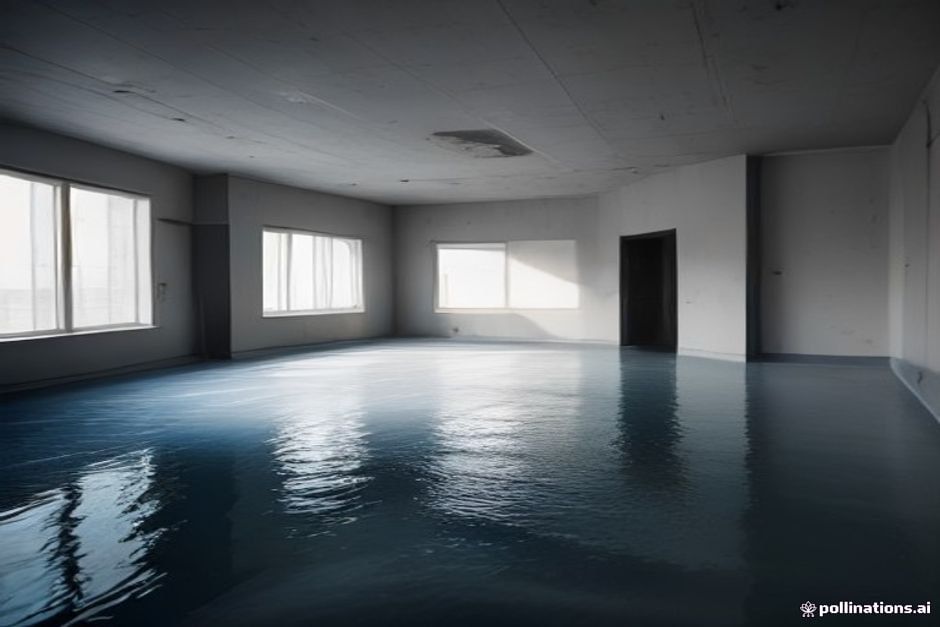
What Does Water Damage Restoration Cost in Chandler in 2025?
Water damage restoration Chandler costs $1,200–$7,500 in 2025. Get accurate pricing for extraction, drying, and repairs from local professionals.
Quick answer
Water damage restoration in Chandler, AZ typically costs $1,200–$7,500 in 2025, depending on affected area, water category, and required repairs. Emergency after-hours service adds 15–25% to base rates. Key factors are square footage, contamination level, and structural damage extent. Most homeowner claims average $3,800–$4,200 with insurance coverage.
Key takeaways
- Average water damage restoration in Chandler costs $3.50–$7.00 per square foot in 2025
- Category 1 clean water costs 30–40% less than Category 3 sewage contamination
- Emergency after-hours calls add $150–$350 to your total bill
- Monsoon season (July–September) accounts for 45% of annual water damage claims in Maricopa County
- IICRC S500 standards require 3–5 days minimum drying time for structural materials
- Insurance typically covers sudden water damage but excludes gradual leaks and maintenance failures
- Mold remediation adds $1,500–$6,000 if drying isn't completed within 48–72 hours
Last monsoon season, a Chandler homeowner on West Ray Road watched $12,000 disappear into her flooring because she waited three days to call for water extraction. That delay turned a $2,400 cleanup into a full subfloor replacement with mold remediation.
Chandler sits in the Sonoran Desert, but our July–September monsoons dump 2–3 inches of rain in single storms. Combined with aging stucco homes built in the 1990s construction boom and hard caliche soil that doesn't absorb water, we see more flood damage per capita than Phoenix neighborhoods with better drainage.
Water damage restoration Chandler projects range from $1,200 for a minor appliance leak to $7,500 or more for Category 3 sewage backups affecting multiple rooms. The wide spread depends on factors you can identify yourself before calling anyone.
Ignoring water intrusion for even 48 hours can double your costs. Mold begins colonizing wet drywall within 24–48 hours at Chandler's summer temperatures, turning a straightforward extraction into a $3,000–$6,000 remediation project.
This guide breaks down exactly what drives restoration costs in 2025, what you can handle yourself, and when the scope exceeds DIY. By the end, you'll know how to read a quote, spot overcharging, and understand whether your situation needs professional equipment or just a shop vac and some fans.
What Actually Determines Your Water Damage Restoration Bill in Chandler?
A restoration company doesn't pull numbers from thin air. They're calculating based on industry-standard pricing formulas that account for labor rates, equipment costs, and material replacement. Understanding these factors helps you evaluate whether a quote is fair or inflated.
Affected Square Footage and Moisture Detection Mapping
Square footage is the foundation of every water damage estimate. Restoration companies charge between $3.50 and $7.00 per square foot in Chandler, depending on the water category and structural materials involved. A 200-square-foot bathroom flood runs $700–$1,400 for extraction and drying. A 1,000-square-foot flooded living area jumps to $3,500–$7,000 before any repairs. But here's what most people don't realize: the visible wet area is rarely the actual damage zone. Water wicks up drywall, travels along baseboards, and saturates subfloor materials you can't see. Professional companies use moisture meters and thermal imaging cameras to map the true affected area. This equipment costs $1,500–$4,000, which is why accurate moisture mapping adds value to professional assessment. Some homeowners dispute charges for areas that looked dry—until the company shows thermal imaging proving moisture behind walls.
- Visible damage typically represents only 60–70% of actual moisture penetration
- Moisture meters measure content in wood, drywall, and concrete to 0.1% accuracy
- Thermal imaging identifies temperature differentials indicating hidden water
- IICRC S500 standards require documenting moisture readings before and after drying
- Chandler's low humidity (10–30% in summer) actually speeds surface drying but can mask deeper moisture
Water Category Classification Changes Everything
The IICRC classifies water damage into three categories, and this classification dramatically affects your cost. Category 1 is clean water from supply lines or rainwater—a burst pipe or overflowing sink. Category 2 is gray water containing contaminants like washing machine discharge or dishwasher leaks. Category 3 is black water—sewage, floodwater, or any water that contacted soil. Category 1 damage costs 30–40% less because materials can often be dried in place. Category 2 requires antimicrobial treatment and selective material removal, adding $500–$1,500 to most jobs. Category 3 mandates complete removal of all porous materials that contacted the water—drywall, insulation, carpet, padding, and often subfloor sections. A 500-square-foot Category 1 kitchen flood might cost $1,750–$2,500. The same area with Category 3 sewage jumps to $4,500–$7,000 because you're removing and replacing rather than drying. Chandler's monsoon flooding almost always classifies as Category 3 because stormwater contacts soil, debris, and often backs up through floor drains carrying sewage contamination.
Emergency Response Timing and After-Hours Surcharges
Water damage doesn't wait for business hours, and neither do restoration companies. But calling at 2 AM costs more than scheduling for 9 AM. After-hours emergency response in Chandler typically adds $150–$350 to your bill, covering overtime labor and dispatch costs. Some companies charge a flat emergency fee; others increase their hourly rate by 25–50% for nights and weekends. Here's the trade-off: waiting until morning to save $200 can cost you $2,000 in additional damage. Water continues saturating materials, traveling farther, and enabling mold growth every hour it sits. The IICRC recommends extraction beginning within 24 hours maximum, but within 4–6 hours produces significantly better outcomes. During Chandler's monsoon season, response times stretch because every company is slammed. A company that normally arrives in 90 minutes might quote 4–6 hours during peak storm response. This is when having a relationship with a restoration company—or at least their number saved—pays off.
- Standard business hours: Monday–Friday, 7 AM–6 PM; Saturday 8 AM–2 PM
- After-hours surcharge: typically $150–$350 flat fee or 25–50% rate increase
- Monsoon season response times: 2–6 hours versus normal 1–2 hours
- Holiday emergency calls can add 50–100% to labor costs
Secondary Repairs and Follow-Up Work Requirements
Extraction and drying are rarely the end of the story. Once materials dry, you're left with water-stained drywall, warped baseboards, damaged flooring, and potentially compromised structural elements. Some restoration companies include basic repairs in their scope; others handle only mitigation and refer repairs to contractors. Drywall replacement runs $2–$4 per square foot installed and painted in Chandler. Baseboard replacement costs $3–$6 per linear foot. Carpet replacement averages $4–$8 per square foot for mid-grade materials with padding and installation. Hardwood floor refinishing costs $3–$5 per square foot if the wood survived; replacement runs $8–$15 per square foot installed. A full restoration that includes structural repairs can reach $15,000–$25,000 for significant damage affecting multiple rooms. Understanding this upfront helps you budget accurately rather than experiencing sticker shock when the drying invoice is followed by a repair estimate.
→ See our mold and bird dropping cleanup
→ Mold and Bird Dropping Cleanup Chandler, AZ 85286
Typical Water Damage Restoration Price Ranges for Chandler Homes in 2025
Abstract pricing formulas are less useful than seeing what actual scenarios cost. These ranges reflect current 2025 pricing in the Chandler and greater Phoenix metro area, based on IICRC-standard restoration practices and local labor rates.
Minor Water Damage: Appliance Leaks and Small Floods
A dishwasher leak affecting 50–150 square feet of kitchen flooring is the most common call we see. The water heater in the garage that let go overnight. The washing machine hose that finally failed. These scenarios typically involve Category 1 or Category 2 water, limited affected area, and materials that can often be dried rather than replaced. Expect to pay $1,200–$2,800 for extraction, dehumidification equipment rental (3–5 days), and antimicrobial treatment. This assumes you called within 24 hours and the water didn't spread to adjacent rooms. If the water reached carpet, add $200–$500 for professional carpet cleaning and pad evaluation. If the pad is saturated, replacement costs $0.50–$1.00 per square foot for materials plus installation labor. Chandler homes built after 2000 often have tile or luxury vinyl flooring in kitchens, which survives water better than older homes with hardwood or laminate. That construction detail can save you $1,000–$2,000 in flooring replacement costs.
Moderate Water Damage: Multiple Rooms and Structural Drying
When water affects 300–800 square feet across multiple rooms, you're looking at $3,500–$6,500 for professional restoration. This typically involves a burst pipe that ran for hours, a roof leak during a monsoon that saturated ceiling and walls, or a toilet overflow that spread through a hallway. Structural drying at this scale requires commercial dehumidifiers (often 2–4 units at $75–$150 per day each) and air movers (8–15 units at $25–$50 per day each). Equipment runs 3–5 days minimum, with daily monitoring visits to adjust placement and document moisture reduction. Labor for setup, monitoring, and teardown adds $500–$1,200 to equipment costs. Ceiling water damage in two-story Chandler homes presents additional challenges. Water pooling above can saturate insulation, delaminate drywall, and compromise ceiling joists. Access often requires cutting inspection holes or removing sections of ceiling, adding $300–$800 to the assessment process.
- Commercial dehumidifier rental: $75–$150 per day per unit
- Air mover rental: $25–$50 per day per unit
- Daily monitoring visits: $75–$150 per visit
- Drywall removal for access: $2–$4 per square foot
- Average drying time: 3–5 days for standard construction
Severe Water Damage: Flooding, Sewage, and Major Structural Impact
Category 3 water damage or flooding exceeding 1,000 square feet pushes restoration costs to $6,000–$12,000 or more, not including reconstruction. These scenarios involve sewage backups through floor drains, monsoon flooding that entered through doors or windows, or fire suppression system discharge (which is clean water but massive volume). Sewage cleanup requires complete removal of all porous materials to 12–24 inches above the visible water line—IICRC standard protocol. Every piece of drywall, insulation, baseboard, carpet, and pad in the affected area gets demolished and disposed of. Antimicrobial treatment of all remaining surfaces follows. Equipment needs multiply: larger dehumidifiers, more air movers, negative air machines with HEPA filtration to control airborne contaminants, and personal protective equipment for workers. Labor costs increase because technicians work in PPE and follow strict safety protocols. Slab leak water damage presents unique challenges in Chandler homes. Water rising through the concrete foundation can affect areas far from the leak source, and detection requires specialized equipment to locate the breach without destroying flooring throughout the house.
Hidden Costs and Fees That Inflate Your Final Bill
Not every water damage company operates transparently. Some common add-on charges are legitimate; others border on predatory. Legitimate additional costs include permit fees for structural work ($75–$200 in Chandler), asbestos or lead testing in pre-1980 homes ($200–$500), and mold testing if spores are suspected ($300–$600 for professional lab analysis). Watch for these warning signs: charges for equipment you never saw on site, administrative fees exceeding 10% of the job total, or line items like moisture reading fees when readings should be included in assessment. Some companies quote extraction only, then present separate invoices for dehumidification, monitoring, antimicrobial treatment, and teardown—each padded with profit margin. A reputable company provides one complete estimate covering all restoration phases. Insurance documentation fees are particularly suspect. Preparing documentation for your insurance claim is standard practice and should be included. Charging $150–$300 for this service suggests either inexperience with insurance claims or profit-seeking on paperwork.
→ Closet Mold Removal Chandler, AZ 85286
Can You Handle This Yourself? DIY vs. Professional Water Damage Assessment
Not every water incident requires a $3,000 restoration bill. Some situations genuinely call for towels, fans, and a weekend of work. Others will destroy your home if you don't call professionals within hours. Knowing the difference saves money when DIY works and prevents disasters when it doesn't.
When DIY Water Cleanup Actually Works
Small, contained spills of clean water on hard surfaces are genuinely manageable. If you catch water within the first hour, it affects less than 50 square feet, it's from a clean source (supply line, spilled container, rainwater through a window), and it hasn't reached carpet, drywall, or porous materials, you can handle it. Use towels to absorb standing water, then run box fans and a dehumidifier (rent one for $40–$60 per day from Home Depot) for 48–72 hours. Monitor with a moisture meter ($30–$50 at hardware stores) to confirm materials dried below 15% moisture content. The catch: you must be honest about whether water reached porous materials. Water under vinyl plank flooring, behind baseboards, or in subfloor seams requires professional equipment to dry properly. Consumer-grade dehumidifiers remove 30–50 pints per day; commercial units remove 150–250 pints. The math doesn't work for anything beyond surface moisture.
Warning Signs That Exceed DIY Capability
Call professionals immediately if any of these apply: water has been sitting more than 24 hours, water came from a contaminated source (sewage, floodwater, gray water), affected area exceeds 100 square feet, water reached drywall more than 12 inches up the wall, carpet and pad are saturated, you smell musty or moldy odors, or you can't identify and stop the water source. Also call if the water damage involves ceiling materials, because water pooling above presents structural and safety concerns you can't evaluate without experience. Hidden pipe leaks behind walls require moisture detection equipment and often exploratory demolition to assess the full scope. Mold testing becomes necessary if water sat more than 48 hours or if anyone in the household has respiratory sensitivities. A $300 mold test is low-cost insurance against a $10,000 remediation bill if you guess wrong about contamination levels.
The Real Cost of Getting It Wrong
Here's what happens when DIY restoration fails: hidden moisture breeds mold within 48–72 hours. You don't see it because it's behind drywall or under flooring. Three months later, you notice a musty smell or respiratory symptoms. Mold testing reveals extensive contamination requiring $4,000–$8,000 remediation—plus you're now disclosing a mold history when you sell the home. Or the subfloor stays damp, warping over months until the flooring delaminates or tile grout cracks. Replacement cost: $2,000–$5,000 for what a $1,500 professional drying would have prevented. We see these scenarios regularly. The homeowner saved $1,200 by not calling us after a pipe leak. Six months later, they spent $6,500 on mold remediation. The math is simple, even if the emotional calculation feels different in the moment.
Safety Considerations You Shouldn't Ignore
Water and electricity don't mix. Before entering any flooded space, confirm power is off at the breaker panel—not just the wall switch. If the panel is in the affected area, call the utility company to disconnect at the meter. Standing water can conduct electricity from submerged outlets, creating lethal conditions you can't see. Structural safety matters in severe flooding. Water-saturated drywall becomes extremely heavy and can collapse. Swollen doors can trap you in rooms. Floors weakened by water damage can fail. If you're unsure about structural integrity, stay out until a professional inspects. Category 3 water presents biological hazards. Sewage contains bacteria, viruses, and parasites. Floodwater carries everything it contacted: fertilizers, pesticides, petroleum products, animal waste. Don't touch this water without rubber boots and gloves, and don't track contaminated water into clean areas of your home.
→ Mold Removal Chandler, AZ 85286
Getting an Accurate Water Damage Restoration Quote in Chandler
The difference between a $2,500 quote and a $4,500 quote for the same job often comes down to how the estimate was prepared. Understanding what information companies need—and what red flags suggest problems—helps you evaluate quotes accurately.
Information That Speeds Up and Improves Your Quote
Before calling any restoration company, gather these details: when the water intrusion started (as precisely as you know), the source if identified, approximate affected area in square feet, what flooring and wall materials are involved, whether the water reached carpet, drywall, or furniture, and whether you've noticed any odors. Photos help enormously. Take wide shots showing the overall affected area, close-ups of water damage at baseboards and wall surfaces, and images of the suspected source. If you can safely access the area above (attic) or below (crawlspace, basement), document conditions there too. For insurance purposes, photograph everything before cleanup begins. Your adjuster needs documentation of the loss condition, not post-mitigation condition. This also protects you if there's any dispute about the scope of original damage.
Red Flags in a Restoration Estimate
Some warning signs suggest you should get another quote. Extremely low estimates often mean the company is bidding to win the job, then presenting change orders for additional work once demolition reveals more damage. Extremely high estimates may reflect inexperience, overhead inefficiency, or simply testing what the market will bear. Legitimate estimates include these elements: itemized equipment charges with unit counts and daily rates, labor broken out by task, antimicrobial treatment as a line item, monitoring visits included, and a clear statement of what's included versus excluded from scope. Missing elements that suggest problems: no mention of moisture documentation, no reference to IICRC standards, verbal-only pricing, pressure to sign immediately, or refusal to provide written scope of work. Any company demanding full payment upfront—before work begins—is a major red flag. Standard payment terms are 50% at project start, 50% at completion, or progress payments on multi-day jobs.
- Get at least three written estimates for comparison
- Verify IICRC certification and Arizona contractor licensing
- Ask specifically what happens if hidden damage is discovered
- Request references from jobs completed in the past 60 days
- Confirm the company works directly with insurance adjusters
Why Cleanuppros Provides Upfront Pricing
We've seen too many Chandler homeowners burned by bait-and-switch estimates. That's why we provide detailed written scopes before starting work, including contingency ranges for likely hidden damage scenarios. Our estimates break down equipment by unit, labor by hour, and materials by quantity. If we discover damage beyond the original scope—which happens in roughly 30% of jobs—we document it, photograph it, communicate it, and get approval before proceeding. We also coordinate directly with insurance adjusters using Xactimate pricing software, the industry standard for insurance claims. This means our estimates align with what your insurance company expects to pay, reducing disputes and delays in claim processing.
Insurance Claim Process for Water Damage in Arizona
Most Chandler homeowners have water damage coverage through their homeowner's policy, but coverage varies significantly based on the cause. Sudden and accidental water damage—burst pipes, appliance failures, storm damage—is typically covered. Gradual damage from maintenance failures, slow leaks, and seepage is typically excluded. Flood damage requires separate flood insurance through FEMA's National Flood Insurance Program or private flood insurers. Standard homeowner's policies exclude rising water, regardless of source. File your claim before beginning cleanup if possible, but don't delay mitigation waiting for adjuster approval. Your policy requires you to mitigate further damage, and adjusters understand extraction can't wait. Document everything and keep all receipts. Average insurance payout for water damage claims in Maricopa County runs $8,000–$12,000, though this varies enormously by scope. Deductibles typically range from $1,000 to $2,500. If your damage estimate is close to your deductible, consider whether filing the claim makes financial sense given potential premium increases.
→ Mold Inspection & Testing Chandler, AZ 85286
Making Smart Decisions About Water Damage Costs in Your Chandler Home
Water damage restoration Chandler costs depend on factors you can now evaluate yourself: affected area, water category, response timing, and repair scope. Understanding these factors puts you in control of the process rather than at the mercy of whoever answers the phone first.
The Numbers That Matter for Chandler Homeowners
Plan for $3.50–$7.00 per square foot for extraction and structural drying, with Category 3 contamination at the high end. Emergency after-hours response adds $150–$350 but often saves thousands in prevented damage. Drying takes 3–5 days minimum regardless of equipment quantity—the physics of moisture removal can't be rushed. Most importantly, the 24–48 hour window before mold colonization begins determines if you're facing a mitigation bill or a remediation bill. Acting fast is the single most valuable decision you can make, worth more than any negotiation on rates.
Why Chandler Residents Choose Cleanuppros for Water Damage Restoration
Cleanuppros holds IICRC certification for water damage restoration, the industry's gold standard for training and protocols. Our Arizona ROC license means we carry appropriate insurance and bonding for structural work. We respond to emergency calls throughout Chandler, Gilbert, Mesa, and the greater Phoenix metro within 60–90 minutes during normal conditions. Our estimates use Xactimate pricing accepted by all major insurance carriers, and we coordinate directly with adjusters to document claims properly. For water emergencies, that combination of speed, certification, and insurance expertise determines outcomes more than any discount on equipment rates.
Talk to Cleanuppros About Water Damage Restoration in Chandler
Cleanuppros provides Water Damage Restoration, Emergency Water Damage Restoration, Water Extraction and Emergency Water Removal for homes and businesses across Chandler. If how much does water damage restoration cost in 2025 is on your list, get in touch with Cleanuppros for straight answers on the options, the timeframe and the price, or request a quote online and we will come back to you with a clear plan before any work starts.
→ Water Damage Dry Out and Structural Drying Chandler, AZ 85286
Water Damage Restoration FAQs in Chandler,
Straight answers to the questions we hear most. Filter by topic to find yours faster.
CostHow much does it cost to dry out a flooded house in Chandler AZ?
Drying out a flooded house in Chandler typically costs $3,500–$8,500 for a standard 1,500–2,500 square foot home, depending on affected area and water contamination level.
This includes extraction, commercial dehumidifier and air mover placement for 3–5 days, daily monitoring, and antimicrobial treatment. Category 3 sewage flooding increases costs 40–60% due to required demolition and disposal. Insurance covers most flood drying when caused by sudden events like burst pipes or appliance failures.
TrustDoes homeowners insurance cover water damage restoration in Arizona?
Arizona homeowners insurance typically covers sudden and accidental water damage—burst pipes, water heater failures, appliance malfunctions, and storm intrusion through the roof.
Coverage excludes gradual damage from slow leaks, deferred maintenance, and rising floodwater. Flood damage requires separate NFIP or private flood insurance. Average covered claims in Maricopa County pay $8,000–$12,000 after deductible, though your specific coverage limits and deductible ($1,000–$2,500 typical) affect actual reimbursement.
ProblemHow long does water damage restoration take to complete?
Water damage restoration takes 5–10 days for most Chandler homes, broken into distinct phases.
Extraction and setup require 4–8 hours. Structural drying runs 3–5 days minimum—this can't be rushed because moisture evaporates at fixed rates regardless of equipment quantity. Teardown and final documentation take another day. If repairs are included, add 1–3 weeks for drywall replacement, painting, and flooring installation. Category 3 sewage damage adds 2–3 days for proper decontamination protocols.
DecisionIs water damage restoration worth it or should I just replace everything?
Professional restoration saves money when materials can be dried in place—hardwood floors, structural framing, subfloors, and non-porous surfaces.
Drying costs $3–$7 per square foot versus $8–$25 per square foot for replacement of flooring, drywall, and finishes. However, porous materials contaminated with Category 3 water must be replaced regardless—restoration isn't possible when sewage or floodwater contacts carpet, pad, insulation, or particleboard. A legitimate restoration company will tell you when replacement is the only option.
Recent from the blog in Chandler,
Practical guides on water damage restoration from the Cleanuppros team.

Opening hours
Mon - Sun 6Am to 11PM, Emergency 24*7
Emergency callouts
Fast help when you need it most.
Ready to get started?
Get in touch today for a fast, free, no-obligation quote.